Biological Security and Protection against Biological Threats
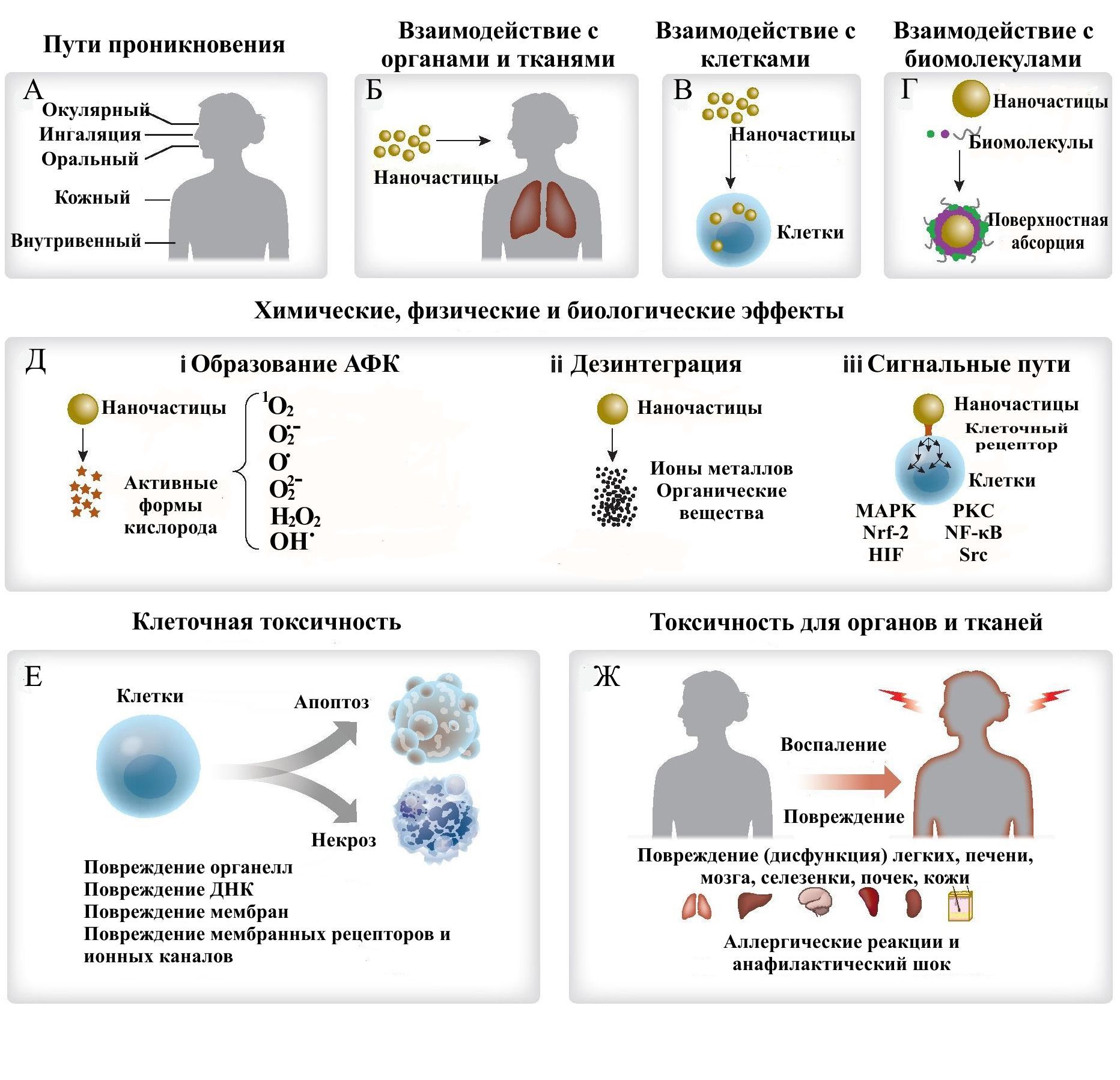
Highlights Nanotechnologies enabling the creation of materials sized 1100 nm generate a fundamentally new class of biological security threats. The accessibility of "green synthesis" (using microorganisms and plants) allows toxic nanoparticles to be produced under field conditions, and their combination with CRISPR-Cas technologies creates potential for developing dual-use weapons – from toxin delivery systems to nanogenetic agents. Relevance. The scientific literature lacks a unified perspective on the biological risks of nanotechnologies and provides no forecast of their potential adversary use considering current technological development, necessitating a systematic threat analysis for the defense sector. Purpose of the study is to assess potential biological security threats posed by nanotechnologies and their significance for CBRN defense tasks based on literature analysis. Study base sources. Articles from full-text English-language scientific journals available via the Internet. Method. Analytical review and data systematization with elements of predictive analysis. Discussion. Nanoparticles are classified by dimensionality (0 D to 3 D) and composition (organic, carbon-based, inorganic). Key toxicity mechanisms are established: reactive oxygen species generation, membrane and DNA damage, apoptosis, and disruption of cellular signaling pathways. Critical factors determining harmful effects include particle size, surface charge, shape, and chemical composition. "Green synthesis" technology (using bacteria, fungi, plants) makes nanoparticle production accessible to terrorist and sabotage groups. The greatest danger is posed by combining nanotechnologies with CRISPR-Cas genome editing, enabling targeted toxin delivery systems and genetically modifying agents. Nanoparticles accumulate in food chains and environmental objects, causing long-term ecological consequences. Conclusion. Nanotechnologies represent a real biological security threat requiring development of nanoparticle detection methods in biological media, assessment of existing protective measures effectiveness, and creation of antidotes. The technological breakthrough of recent years (analogous to unmanned systems development) can transform today's hypothetical scenarios into tomorrow's reality. Practical significance of the work. This work systematizes data on nanoparticle synthesis accessibility and toxicity mechanisms, substantiating requirements for modernizing detection means, personal protective equipment, and therapeutic approaches relevant to CBRN defense tasks.
CHEMICAL AND BIOLOGICAL WEAPONS IN WARS AND CONFLICTS
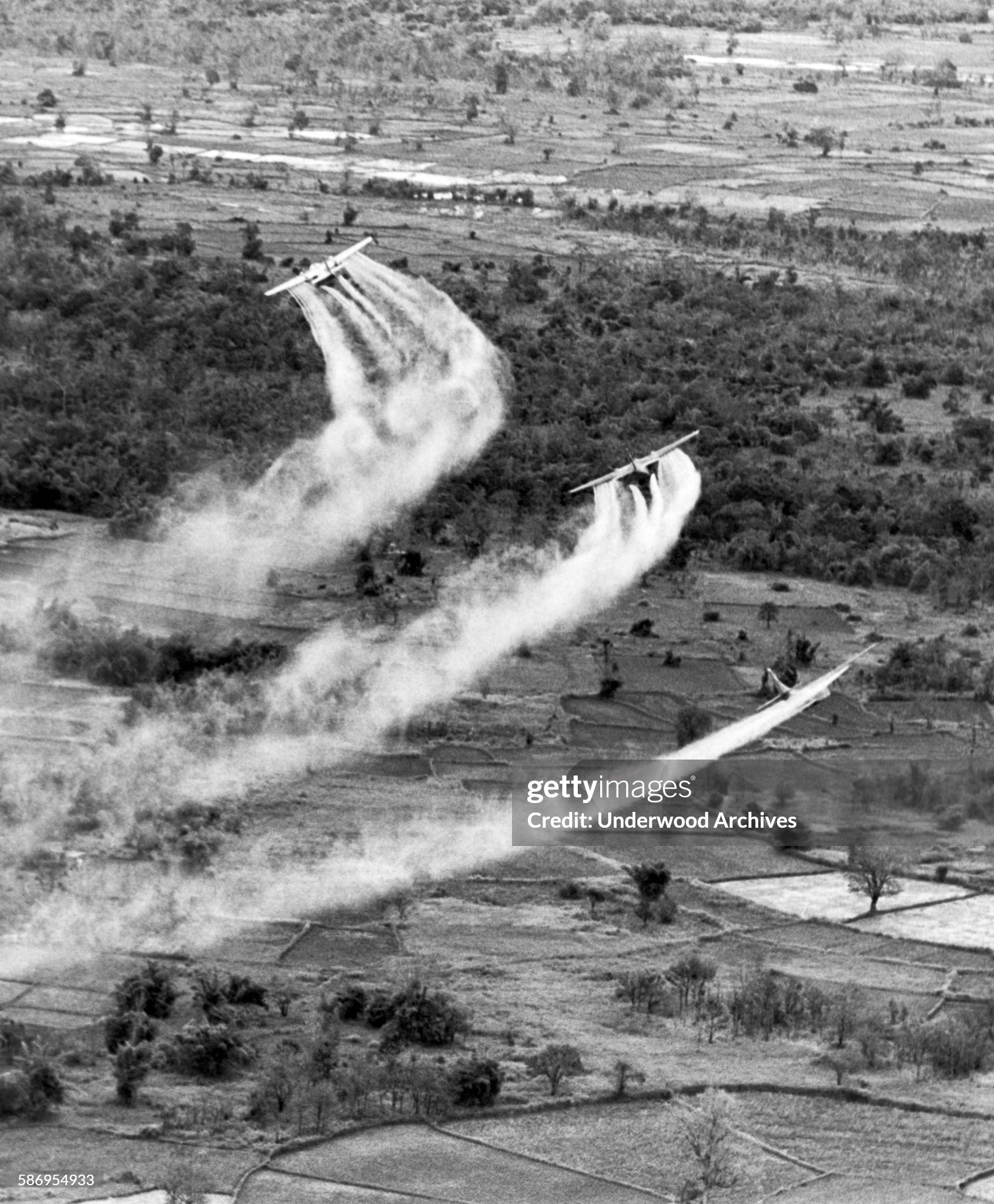
Highlights Military use of persistent organic pollutants (POPs) triggers irreversible, multigenerational crises. The primary agent is dioxin TCDD, an extraordinarily persistent and bioaccumulative toxicant with no known antidote, shifting the CBRN defense paradigm toward robust prophylaxis and force protection. Relevance. The historical case of Agent Orange provides a critical precedent for understanding long-term threats from POPs, which create persistent contaminated areas (“hotspots”) challenging force health protection, logistics, and post-conflict site remediation. Purpose of the study is to perform a systematic analysis of Agent Orange's composition, the toxicological mechanisms of TCDD, and its long-term health and ecological impacts to derive actionable implications for modern CBRN defense doctrine, training, and operational protocols. Study base sources. Analysis relies on peer-reviewed scientific literature, reports from authoritative bodies (U.S. Institute of Medicine, National Academies), U.S. Department of Veterans Affairs archives, data from victim organizations (e.g., VAVA), and historical records of Operation Ranch Hand. Method. Employed a critical review and synthesis of data from toxicological, epidemiological, molecular-biological, and clinical studies using comparative analysis and causal relationship assessment to build a unified operational model. Discussion. TCDD toxicity is mediated via the aryl hydrocarbon receptor (AhR), causing systemic gene dysregulation. This results in a wide disease spectrum, from acute chloracne to long-term oncological, neurological, endocrine, and reproductive disorders, including transgenerational birth defects. Environmental damage is severe and persistent. Conclusions. 1) POPs use yields strategic-level consequences for health and ecosystems. 2) The lack of an antidote elevates the primacy of prevention, strict CBRN protocols, and area isolation. 3) Medical strategy must pivot to long-term health surveillance. 4) Effective response requires a sustained complex of measures: hazard identification, contamination control, external logistics, and specialized engineering remediation (e.g., thermal desorption). Practical significance of the work. The study provides a scientific basis for CBRN defense: 1) Threat assessment (identifying TCDD hazard and critical exposure routes). 2) Force protection (mandating full IPE use, immediate decontamination, banning local resources). 3) Medical support (recognizing chloracne as a key marker, planning long-term screening). 4) CBRN operations (reconnaissance of hotspots, establishing long-term restricted zones). It directly informs the development of manuals, SOPs, and training programs for specialists.
WEAPONS AND MEANS OF NBC PROTECTION TROOP
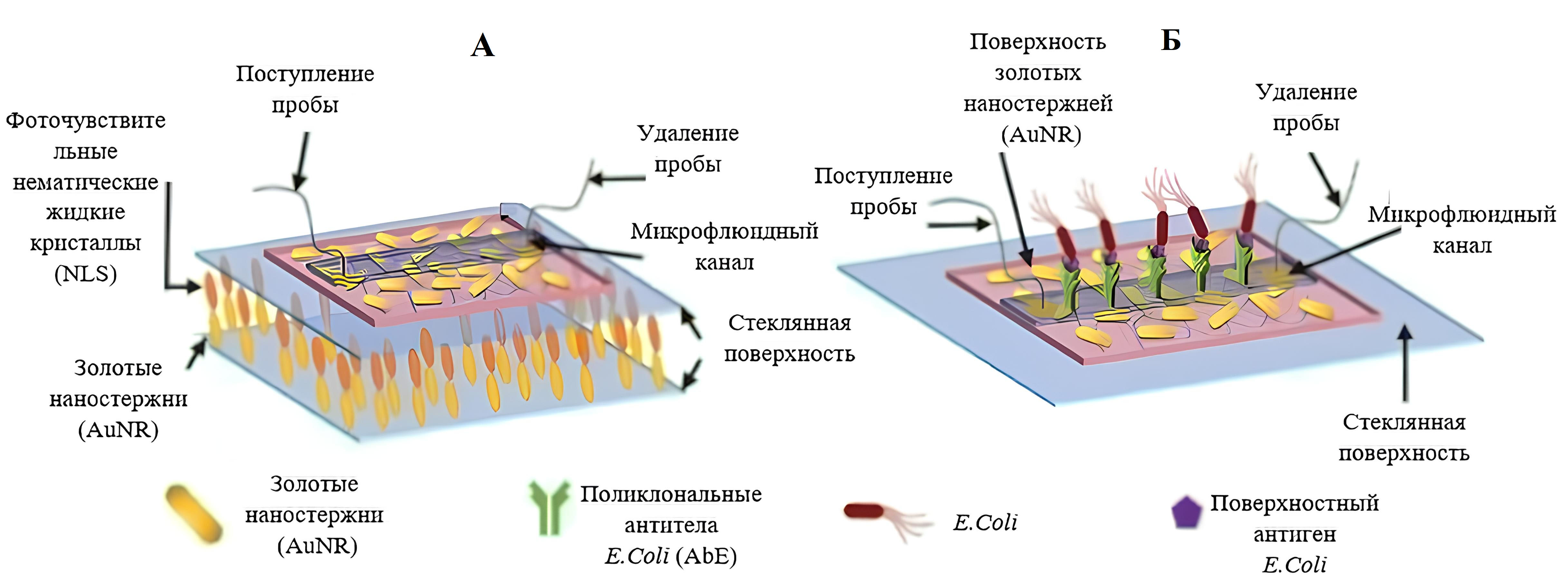
Highlights Immunochip technology provides multiplex (simultaneous) identification of a wide spectrum of pathogens and toxins with high sensitivity and rapid analysis time (15–30 minutes). Its key advantages – the potential for miniaturization and automation – determine its suitability for creating a new generation of field biological reconnaissance tools. Relevance. The rapid detection and identification of biological threats is a critical task for ensuring troop safety. Existing field detection methods lack the necessary multiplexing capability and speed, which delays situational assessment and decision-making. Purpose of the study is to analyze modern multianalyte immunochip technologies and assess the prospects for their adaptation and application in equipping Nuclear, Biological, and Chemical (NBC) defense troops to enhance the effectiveness of biological reconnaissance. Study base sources. An analysis of data from open international scientific databases (Scopus, PubMed), publications in peer-reviewed journals, conference materials, and patent documents related to the development and application of immunochips for the detection of pathogenic biological agents was conducted. Research method. Methods of systematic analysis and synthesis of scientific and technical information were applied. Various immunochip platforms (planar, suspension, microfluidic) and detection principles (optical, electrochemical) were reviewed. Results. The characteristics of modern immunochip systems capable of detecting the causative agents of anthrax, plague, tularemia, botulinum toxins, ricin, and other agents with high sensitivity (up to 103 CFU/ml for bacteria, single ng/ml for toxins) have been systematized. Conclusion. Immuno-chip technology has reached a level suitable for creating a new generation of field biological reconnaissance tools. Its implementation will allow for the transition to operational multiplex threat screening, which will significantly improve the effectiveness of CBRN defense forces. The development of unified and adaptive platforms is a promising area. Practical significance of the work. The results of the work form the basis for the development of prospective equipment models for RCB Defense troops: 1) mobile multi-component analyzers for laboratories based on complexes like "Sych"; 2) portable detectors for non-standard reconnaissance groups; 3) stationary automated posts for air monitoring at critical facilities. The implementation of such systems will drastically reduce sample collection and analysis time, increasing the timeliness and validity of decisions regarding the biological protection of troops.
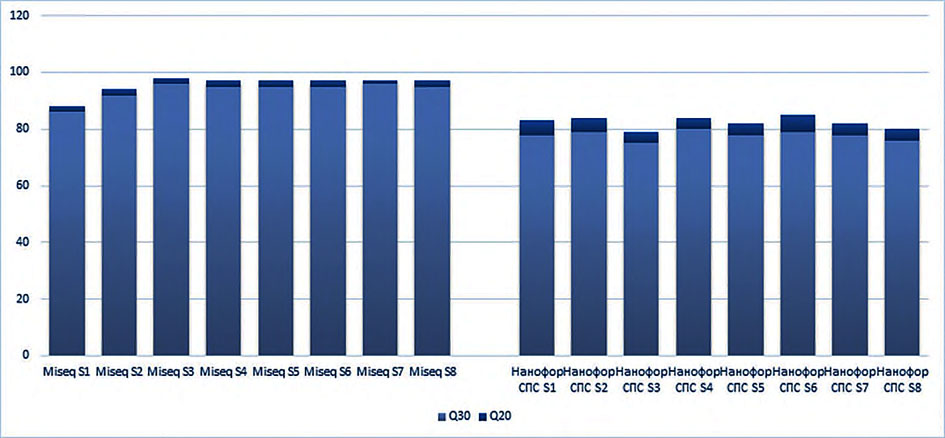
Highlights More than 95% of nucleotide bases generated by the Nanophor SPS platform have a Phred quality score (Q) > 30, corresponding to a base-call accuracy of >99.9%. Successful de novo assembly of the complete viral genome was achieved, reconstructed as a single contig of 160,711 bp with a mean coverage of 300x. A significantly lower cost per sequencing run and operational expenses were confirmed compared to the MiSeq platform. Relevance. Relevance is driven by the need to develop domestic, cost-effective sequencing platforms for the genomes of dangerous pathogens, enabling rapid genomic surveillance of biological threats by the Nuclear, Biological, and Chemical (NBC) defense troops. Purpose of the study is to conduct a comprehensive performance assessment of the domestic whole-genome sequencing system "Nanophor SPS" (Sintol, Russia) in comparison with the foreign counterpart MiSeq (Illumina, USA). Materials and Methods. A large DNA virus, Vaccinia virus strain B-51, was used as the test object. The methodology included DNA extraction, library preparation, whole-genome sequencing on both platforms, and subsequent comparative bioinformatic analysis. Results. The experimental validation demonstrated that the Nanophor SPS platform exhibits high performance and reliability, providing data quality comparable to the foreign sequencer (MiSeq, Illumina, USA). Conclusion. The domestic Nanophor SPS platform has confirmed its status as a productive, reliable, and cost-effective system that delivers data quality and analytical capabilities comparable to foreign analogues. It is recommended for implementation into the laboratory practice of the NBC defense troops. Practical significance of the work. The study provides the customer (NBC defense troops) with comprehensive, verified data to support an informed selection and procurement of a domestic sequencing platform, thereby contributing to reduced technological dependence. A ready-to-use protocol and reference benchmarks have been established for employing the Nanophor SPS system in the specific tasks of military laboratory diagnostics and biomonitoring.
PROTECTION OF INTELLECTUAL PROPERTY IN CBRN DEFENSE TROOPS
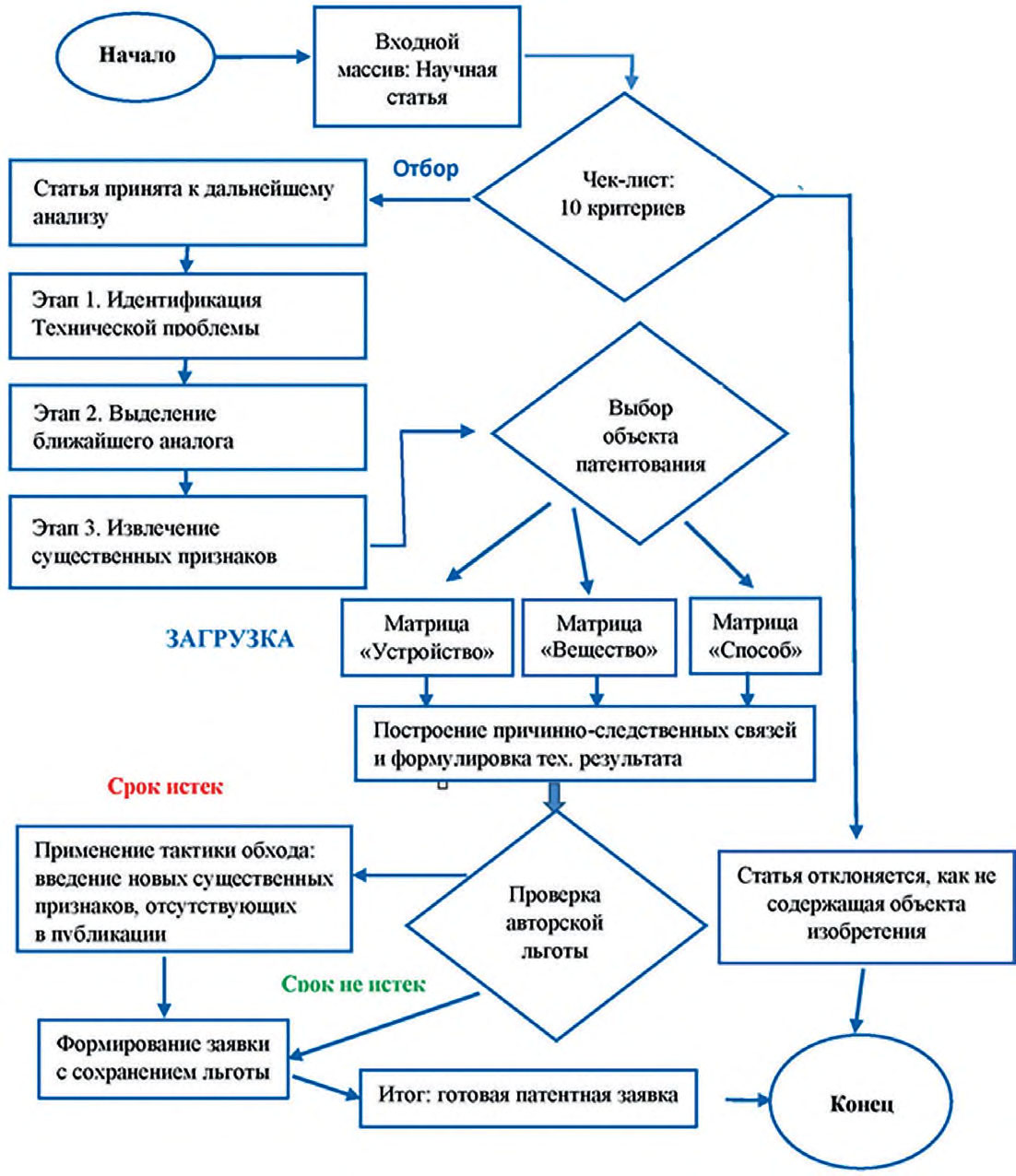
Highlights A methodology for identifying patentable solutions in scientific articles, implemented through prompt engineering methods using the large language model DeepSeek-V3.2, has been developed. Standard matrices for drafting patent applications for three types of objects (method, device, substance) have been created, integrating the requirements of Russian patent legislation and systematized applicant errors. Six scientific principles for using AI to transform scientific results into intellectual property objects have been formulated. Relevance. A significant portion of scientific experimental publications contains patentable technical solutions that have not been identified by the authors. Most articles were published more than 12 months ago, which leads to missing the novelty grace period and creates obstacles for patenting. Purpose of the study is to develop a methodology for identifying patentable solutions in scientific articles using AI, enabling the transformation of published results into patent applications. Materials and Methods. The study was based on an analysis of FIPS (Federal Institute of Industrial Property) inquiries regarding the examination of invention applications. The DeepSeek-V3.2 language model was used for processing the articles. A primary assessment checklist (10 criteria) and standard matrices for drafting applications for methods, devices, and substances were developed. Approbation was carried out on six articles of various topics, including an English-language publication. Results. Of the six articles, five (83.3%) contained patentable solutions. Based on these, 9 patent applications with 15 independent claims were drafted. Publications with an expired novelty grace period (up to 7 years) were successfully circumvented by introducing new essential features. The English-language case confirmed the language independence of the methodology. Six scientific principles for using AI to identify inventions were formulated. Conclusion. The developed methodology enables the identification of inventions in scientific publications. The methodology is conveyed through prompts and can be reproduced in a new chat session. The key success factor is the presence of quantitative experimental data in the publication. The proposed strategy for circumventing prior publications allows for patenting solutions years after publication, provided the article states the problem without disclosing a specific solution. Practical significance of the work. The developed prompt engineering system, checklist, and standard matrices can be used by patent services and inventors of the Armed Forces of the Russian Federation to identify and secure rights to domestic developments, thereby contributing to Russia's technological sovereignty.
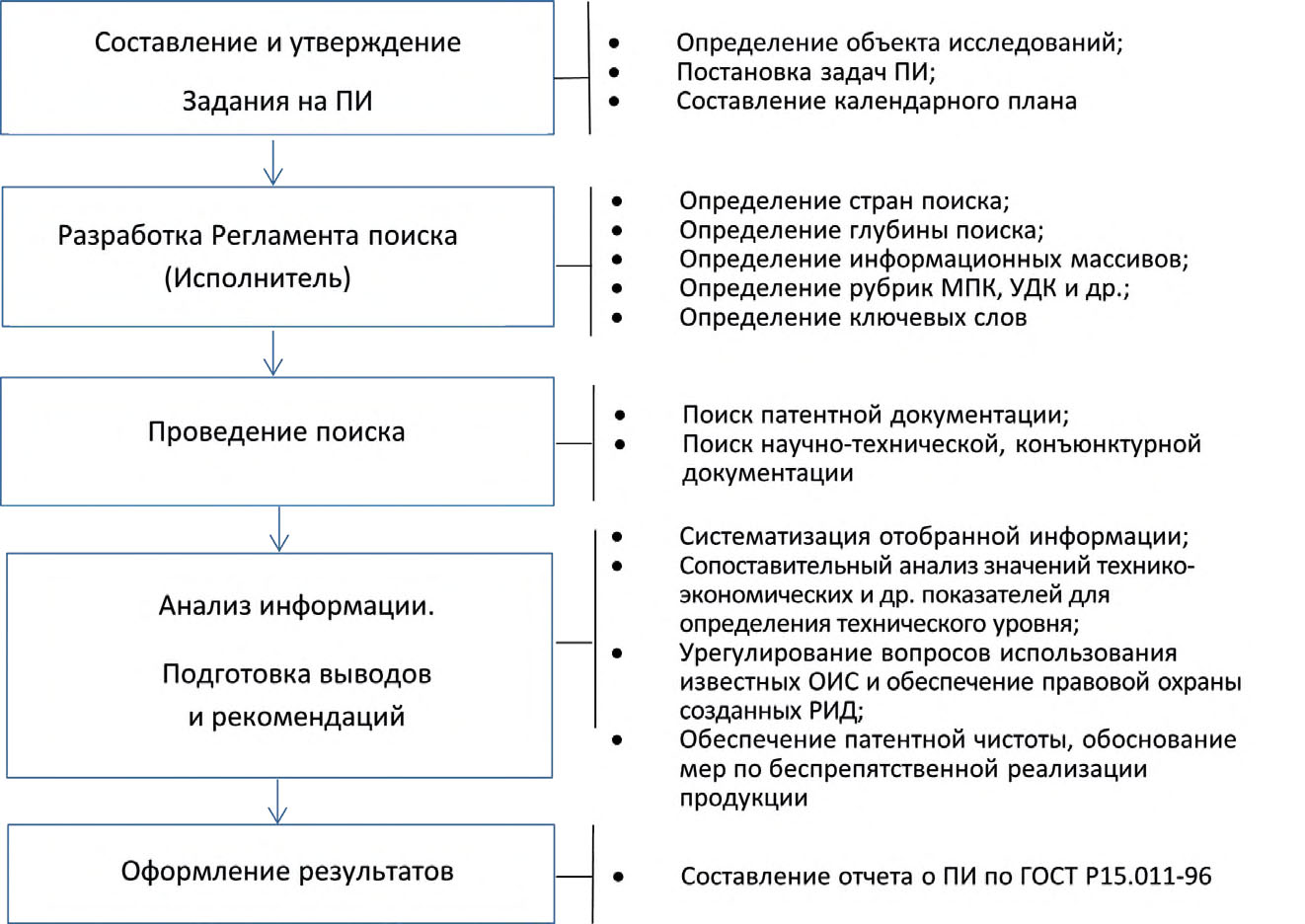
Highlights Systemic errors in patent research are identified and quantitatively assessed. Step by step recommendations and templates for filling out all mandatory report forms are developed, which reduce the number of report returns for revision by 2–3 times and minimize the risks of infringing third party rights. An action algorithm is proposed that saves budget funds by avoiding unjustified acquisition of licences. Relevance. Patent research is an integral part of R&D under state defence contracts. However, many such reports contain errors that lead to unjustified budget expenditures, delays in project execution, and the risk of infringing exclusive rights of third parties. Purpose of the study is to develop practical recommendations for drafting a patent research report, tailored to the requirements of a state defense contract. Study base sources. Regulatory legal acts governing the identification, legal protection and use of intellectual property results generated during R&D ordered by the Ministry of Defence of the Russian Federation. Research methods. Analytical, formal legal method. Errors were analyzed in patent research reports prepared by industrial organizations at various stages of R&D. Results. For the first time, on a statistically significant array of patent research reports, typical errors made by industrial organisations are identified and systematised. The most critical errors are found to be: confusion between the concepts of “technical level” and “prior art” (occurs in 68% of reports); absence of a comparative analysis of essential features of the object and the patent claims (54%); unsubstantiated conclusions about patent freedom to operate (FTO) at early stages of development work (47%); and incomplete search guidelines (73%). Templates for filling out all mandatory report forms (B.6.1–B.6.4, D.1.1–D.3.1.3) are developed and provided, along with step by step explanations. An algorithm of actions for the contractor upon detection of a “blocking patent” is formulated, including analysis of the patent licensing activity of the right holder and assessment of the feasibility of challenging the patent or concluding a licence agreement. Conclusion. The prepared recommendations will improve the quality of patent research and of R&D in general, the ultimate outcomes of which are the modernisation of existing or the development of new models of weapons and military equipment in the interests of Russia’s defence and security. Practical significance of the work lies in reducing the number of patent research reports returned for revision by 2–3 times, lowering the risks of R&D being deemed invalid due to infringement of exclusive rights, and ensuring timely securing of the Russian Federation’s rights to the created intellectual property results.
Review


ISSN 3034-2791 (Online)